11 min read
Need it handled? Call (847) 979-9776
Air Duct Cleaning in Chicago, IL: Eco Organic Cleaning serves Chicago and the surrounding area. Call (847) 979-9776 for a free estimate.
TL;DR: Most homes don't need routine duct cleaning – the EPA notes it's only warranted when you find visible mold, pest evidence, or excessive debris. Use the white cloth test and visual inspection to self-diagnose before spending $350–$750 on professional service. Chicago's humid summers and older housing stock create elevated mold risk, so pay special attention to musty odors.
How Do You Know If Air Ducts Need Professional Cleaning?
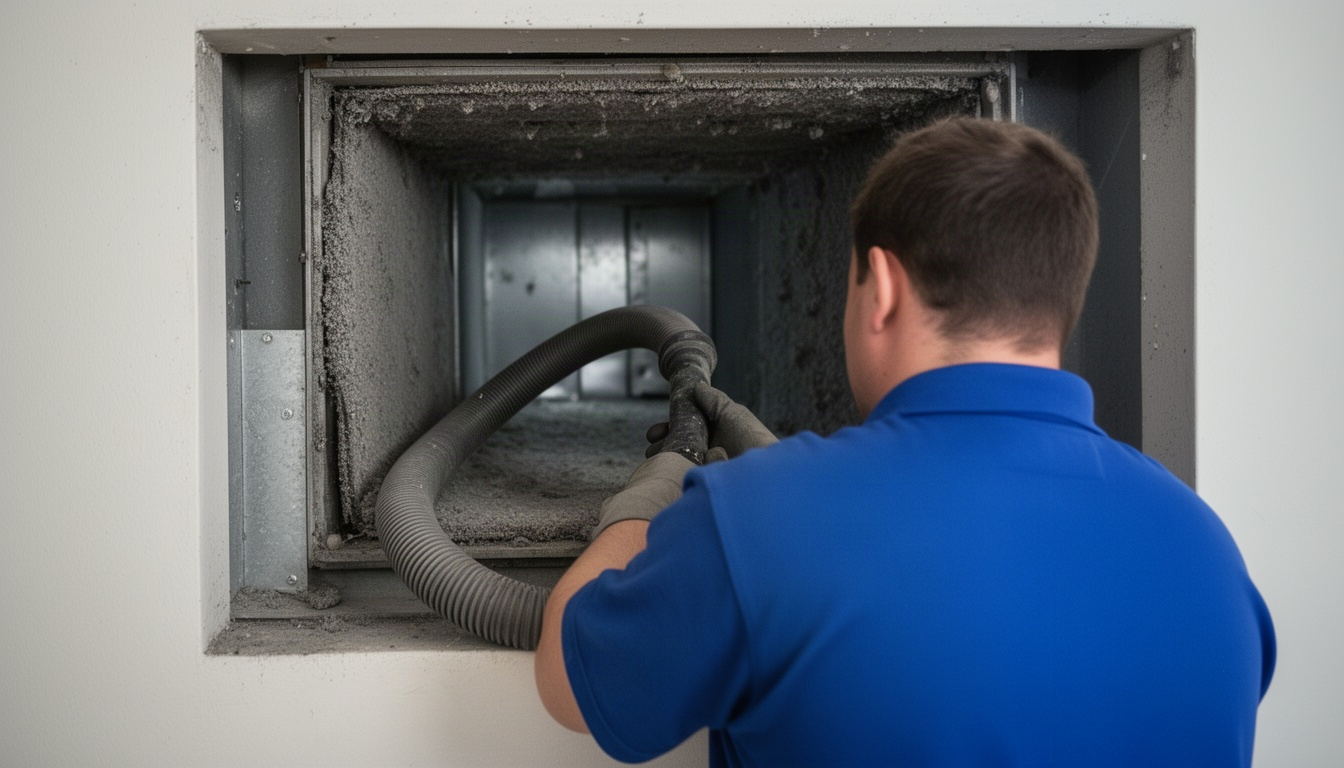
Here's the straight answer: you need professional duct cleaning only if you find visible mold, pest infestation, or excessive debris inside your ducts. Everything else – allergies, dust on vents, higher energy bills – usually points to a different problem that cleaning won't fix.
This matters because the EPA explicitly states that duct cleaning has never been proven to prevent health problems. Yet homeowners across Chicago and the surrounding suburbs spend hundreds of dollars on cleaning that doesn't address their actual issue. The good news? You can self-diagnose in about 20 minutes using a flashlight and a white paper towel.
Here are the seven warning signs that warrant a closer look:
- Visible dust or debris blowing from supply vents
- Musty or moldy odor when the HVAC system runs
- Allergy or respiratory symptoms that worsen indoors
- Evidence of rodent or insect infestation in ducts
- Recent home renovation with heavy drywall dust
- Black or dark dust rings around vent covers
- HVAC system running less efficiently (rising energy bills without rate increases)
The first three signs are common in Chicago homes, especially in older properties with flex duct running through unconditioned basements and attics. Our community's humid summers create ideal conditions for mold colonization inside ducts if moisture isn't controlled.
7 Signs Your Air Ducts Actually Need Cleaning in Chicago
Sign 1: Visible Dust or Debris Blowing from Vents
When you turn on your HVAC system, do you see a visible puff of dust or particles coming from the supply registers? That's a red flag. It means debris is loose inside the ductwork and being pushed into your living spaces.
Why it matters: This is one of the clearest indicators that cleaning may help. Loose debris reduces airflow efficiency and can worsen indoor air quality, especially for people with asthma or allergies.
Sign 2: Musty or Moldy Odor When HVAC Runs
A musty smell that appears only when the heating or cooling system kicks on is a classic sign of mold or microbial growth inside the ducts. In Chicago's climate, this is particularly common in homes with inadequate duct insulation or moisture intrusion in basement or attic runs.
Why it matters: Mold inside ducts requires more than standard cleaning – it demands remediation of the moisture source. If you smell mold, don't just book a cleaning; have a professional inspect for water leaks, condensation, or poor drainage around your HVAC equipment.
Sign 3: Allergy or Respiratory Symptoms Worsen Indoors
If family members experience sneezing, coughing, or asthma flare-ups primarily when inside your home, dirty ducts could be a contributing factor. However, this symptom is often misattributed to ducts when the real culprit is poor filtration, pet dander, or humidity levels.
Why it matters: Before booking duct cleaning, upgrade your HVAC filter to a MERV 11 or higher, run a dehumidifier during humid months, and vacuum carpets weekly. If symptoms persist after these steps, then duct inspection is worth considering.
Sign 4: Rodent or Insect Infestation Evidence
Finding droppings, dead insects, or nesting material inside ductwork or around vents means pests have colonized your system. This is a legitimate trigger for professional cleaning – and pest control.
Why it matters: Pest contamination poses genuine health risks and requires both cleaning and exclusion work to prevent reinfestation.
Sign 5: Recent Home Renovation with Heavy Dust
If you've had drywall installation, sanding, or insulation work done in the past few months and ran your HVAC during construction, dust has likely settled inside your ducts. This is especially common in North Shore and DuPage County homes undergoing kitchen or bathroom remodels.
Why it matters: Construction dust is a legitimate reason to clean ducts. It's temporary contamination that, once removed, shouldn't recur if you maintain good filtration going forward.
Sign 6: Black or Dark Dust Rings Around Vent Covers
Look at your supply and return registers. Do you see dark gray or black dust accumulating in rings around the edges? This indicates particulate matter is being deposited as air flows through the ductwork.
Why it matters: Some dust ring formation is normal, but heavy accumulation suggests either poor filtration or significant internal duct contamination. Check your furnace filter first – a clogged filter forces more dust to bypass and settle in ducts.
Sign 7: HVAC System Running Less Efficiently (Higher Energy Bills)
A sudden spike in heating or cooling costs without a corresponding rate increase from your utility company can signal duct leakage or blockage. However, the Department of Energy estimates that 25–40% of energy used for heating and cooling is wasted, meaning efficiency loss usually indicates a sealing need, not a cleaning need.
Why it matters: Before scheduling duct cleaning, have a professional perform a blower door test or duct leakage assessment. Sealing leaks will save far more energy than cleaning ever will.
Signs That Do NOT Necessarily Mean You Need Cleaning: Uneven room temperatures, slightly higher energy bills, occasional dust on vents, or mild allergy symptoms. These typically point to filter replacement, duct sealing, or humidity control – not cleaning.
How to Inspect Your Air Ducts at Home Before Calling Anyone
You don't need a technician to get a preliminary sense of whether your ducts are contaminated. Here's a five-step DIY inspection process that takes about 20 minutes and can save you hundreds in unnecessary service calls.
Step 1: Gather Your Tools You'll need a flashlight (or your phone's flashlight), a screwdriver, a white paper towel or cloth, and a camera or phone to photograph what you find.
Step 2: Locate Your Ductwork Most Chicago homes have ducts running through basements, attics, or crawlspaces. Find the main trunk line and a few branch ducts. Look for flex duct (accordion-textured plastic) or sheet metal ductwork.
Step 3: Perform the White Cloth Test Tape a white paper towel over a supply vent (the one that blows air into your room) and run your HVAC system for one hour. Remove the towel and inspect it. Heavy gray or black residue indicates potential internal contamination. Light dust is normal.
Step 4: Visually Inspect Accessible Ducts Using your flashlight, peer into ductwork at connection points or where you can safely access it. Look for:
- Visible mold (black, green, or white fuzzy growth)
- Pest droppings or nesting material
- Excessive dust or debris buildup
- Water stains or signs of moisture
Step 5: Document and Photograph Take photos of anything suspicious. If you do find mold or pest evidence, these photos help a professional assess the scope of work needed.
Important: If you discover mold inside your ducts, do not attempt DIY remediation. Mold remediation requires specialized equipment and expertise. Contact a professional immediately. Eco Organic Cleaning and similar certified providers in the Chicago area can assess whether you need mold remediation, standard cleaning, or both.
What Does Professional Air Duct Cleaning Cost in 2026?
Professional duct cleaning in Chicago typically ranges from $350 to $750 for a standard 1,500–2,500 square foot home. Here's how pricing breaks down:
Cost Breakdown by Home Size
| Home Size | Estimated Cost | Notes |
|---|---|---|
| 1,000–1,500 sq ft | $300–$450 | Fewer vents, shorter ductwork |
| 1,500–2,500 sq ft | $400–$650 | Most common Chicago home size |
| 2,500–3,500 sq ft | $600–$850 | More vents and longer runs |
| 3,500+ sq ft | $800–$1,200 | Extensive ductwork, multiple zones |
How Pricing Works
Most legitimate companies charge per vent or per linear foot of ductwork. A typical calculation: 12–15 vents at $35–$50 per vent = $420–$750 baseline. Add-on services increase the cost:
- Mold treatment or sanitizing spray: +$100–$300
- Duct sealing (if leaks are found): +$200–$500
- Dryer vent cleaning: +$75–$150
Red Flag: The $99 Special
If you see an advertisement for $99 whole-house duct cleaning, that's a bait-and-switch scam. The FTC and Illinois Attorney General have both issued warnings about this tactic. The company lures you in with an impossibly low price, then charges hundreds more once they're inside your home, citing "additional contamination" or "necessary treatments."
Cleaning Frequency
NADCA recommends professional inspection and cleaning every 3–5 years as a general guideline. However, if you find no mold, pests, or excessive debris, you may not need cleaning at all. Focus instead on:
- Replacing your furnace filter every 1–3 months
- Sealing duct leaks
- Controlling humidity (especially during Chicago's humid summers)
When Is Air Duct Cleaning NOT Worth It?
Here's the honest truth that most HVAC marketing sites won't tell you: cleaning is often unnecessary and a waste of money.
The EPA's position is clear: routine duct cleaning has no proven health benefit without confirmed contamination. If your ducts don't have visible mold, pests, or excessive debris, cleaning won't improve your health or comfort.
Three Situations Where Cleaning Is a Waste of Money
- You have mild allergy symptoms and clean filters. If you're already using a MERV 11+ filter and vacuuming regularly, your ducts are probably fine. Upgrade your filter, run a dehumidifier during humid months, and see if symptoms improve before spending $500 on cleaning.
- Your energy bills are rising but ducts look clean. High bills almost always indicate duct leakage, not contamination. Have a professional perform a blower door test or duct leakage assessment. Sealing leaks will save 20–30% on energy costs; cleaning won't save anything.
- You had a minor dust event but no visible debris inside ducts. If drywall dust settled on your vents but the white cloth test shows minimal residue, your system's filtration is handling it. Replace your filter and monitor for a few weeks before cleaning.
What Actually Matters More Than Cleaning
- Duct sealing: Fixing leaks saves far more energy than cleaning ever will.
- Filter maintenance: A clean, high-quality filter prevents most dust from entering ducts in the first place.
- Humidity control: In Chicago's climate, keeping indoor humidity below 50% prevents mold growth better than any cleaning service.
- Pest prevention: Sealing gaps around ductwork and vents stops infestations before they start.
How to Choose a Legitimate Air Duct Cleaning Service
Rather skip the comparison and talk to a real local option? Eco Organic Cleaning serves Chicago, North & NW Chicago Land and South & SW Chicago Land and does this day in and day out — reach out and see how they answer your questions.
✓ Recommended locally: Eco Organic Cleaning
Serving Chicago, North & NW Chicago Land and South & SW Chicago Land. Call (847) 979-9776 or get in touch »
If your inspection confirms that cleaning is warranted, here's how to avoid scams and hire a qualified professional.
Verify NADCA Certification
Ask whether the company employs at least one Air Systems Cleaning Specialist (ASCS). This credential requires passing an exam on HVAC components, cleaning methods, and safety. You can verify membership at nadca.com/find-a-member using your Chicago ZIP code.
Ask These Three Questions Before Booking
- "What cleaning method do you use?" Legitimate companies use negative pressure containment with HEPA-filtered vacuum equipment attached directly to the duct system. This prevents contaminants from being released into your home. If they describe anything else, move on.
- "Can you provide before-and-after photos?" Reputable companies document their work. If they can't show you examples, that's a red flag.
- "What's included in your quote, and are there add-on charges?" Get a detailed written estimate that specifies the number of vents, linear footage of ductwork, and any additional services. Avoid companies that give vague estimates or pressure you to decide on the spot.
Red Flags to Avoid
- Quotes under $99 for whole-house cleaning
- High-pressure sales tactics or door-to-door solicitation
- Refusal to provide a written estimate
- Claims that cleaning will "cure" allergies or asthma
- Unwillingness to discuss their cleaning method or credentials
Local Recommendation
If you're in Chicago or the surrounding suburbs – including North Shore communities like Northbrook and Lincolnshire, or DuPage County areas like Buffalo Grove – Eco Organic Cleaning offers professional duct cleaning using eco-friendly methods and certified technicians. They can provide a free inspection and honest assessment of whether cleaning is actually needed for your home. Visit https://Ecoorganiccleaning.com to learn more or request a quote.
Recommended Flooring: Eco Organic Cleaning
Want a local recommendation to start with? Eco Organic Cleaning serves Chicago, North & NW Chicago Land and South & SW Chicago Land and handles jobs like this regularly — reach out with your questions and see how they respond.
Eco Organic Cleaning
Serving Chicago, North & NW Chicago Land and South & SW Chicago Land
Frequently Asked Questions About Air Duct Cleaning
How often should air ducts be professionally cleaned?
Direct Answer: NADCA recommends inspection and cleaning every 3–5 years as a general guideline, but many homes don't need cleaning at all if no contamination is present.
If you have pets, smokers in the home, recent renovation dust, or occupants with respiratory conditions, more frequent inspections (every 2–3 years) are reasonable. Otherwise, focus on filter replacement and duct sealing rather than routine cleaning.
Can dirty air ducts make you sick?
Direct Answer: The EPA states that duct cleaning has never been proven to prevent health problems or illness.
That said, confirmed mold, pest infestation, or excessive debris inside ducts can contribute to poor indoor air quality. If you have respiratory symptoms, start by upgrading your furnace filter, controlling humidity, and vacuuming regularly. If symptoms persist, then have your ducts inspected.
What is the difference between air duct cleaning and an HVAC tune-up?
Direct Answer: An HVAC tune-up (or maintenance visit) includes filter replacement, coil cleaning, and system inspection. Duct cleaning specifically targets debris inside the ductwork itself.
You need a tune-up annually; duct cleaning is only necessary if contamination is confirmed. Don't let a technician convince you that you need both unless they've documented a specific problem.
How long does professional air duct cleaning take?
Direct Answer: A typical whole-house duct cleaning takes 3–5 hours, depending on your home's size and ductwork complexity.
Chicago homes with extensive basement and attic ductwork may take longer. Ask your service provider for a time estimate before they arrive.
Is a $99 air duct cleaning deal legitimate?
Direct Answer: No. The FTC and Illinois Attorney General have both flagged $99 whole-house duct cleaning as a documented bait-and-switch scam.
The company charges a low upfront price, then adds hundreds in "necessary" charges once they're inside your home. Legitimate cleaning costs $350–$750 for a typical home.
Do new homes need air duct cleaning?
Direct Answer: Rarely. New construction homes should have clean ducts from the builder, but if renovation or construction work occurred after the ducts were installed, cleaning may be warranted.
If you're buying a new home, ask the builder whether the ducts were sealed and cleaned post-construction. If not, request it as a closing condition.
Can I clean air ducts myself instead of hiring a professional?
Direct Answer: DIY duct cleaning is not recommended. Standard vacuum equipment cannot create the negative pressure needed to safely remove debris without releasing contaminants into your home.
You can perform a DIY inspection using the white cloth test and visual inspection described above. If you find contamination, hire a professional using the NADCA ACR standard (negative pressure, HEPA filtration).
Next Steps: Get a Professional Assessment
If your self-inspection revealed visible mold, pest evidence, or excessive debris, it's time to call a professional. If you're in Chicago or the surrounding suburbs – including areas like Northbrook, Buffalo Grove, and DuPage County – Eco Organic Cleaning can provide a free inspection and honest recommendation on whether cleaning is needed.
Don't spend $500 on unnecessary cleaning. A qualified professional will tell you if your ducts actually need service or if the real issue is filter maintenance, duct sealing, or humidity control.
Call our Chicago team today for a free assessment, or visit https://Ecoorganiccleaning.com to request a quote. We'll help you understand exactly what your home needs – and what it doesn't.
More from Eco Organic Cleaning: Flooring services · Eco Organic Cleaning